

 See My Latest Article on HelloNation
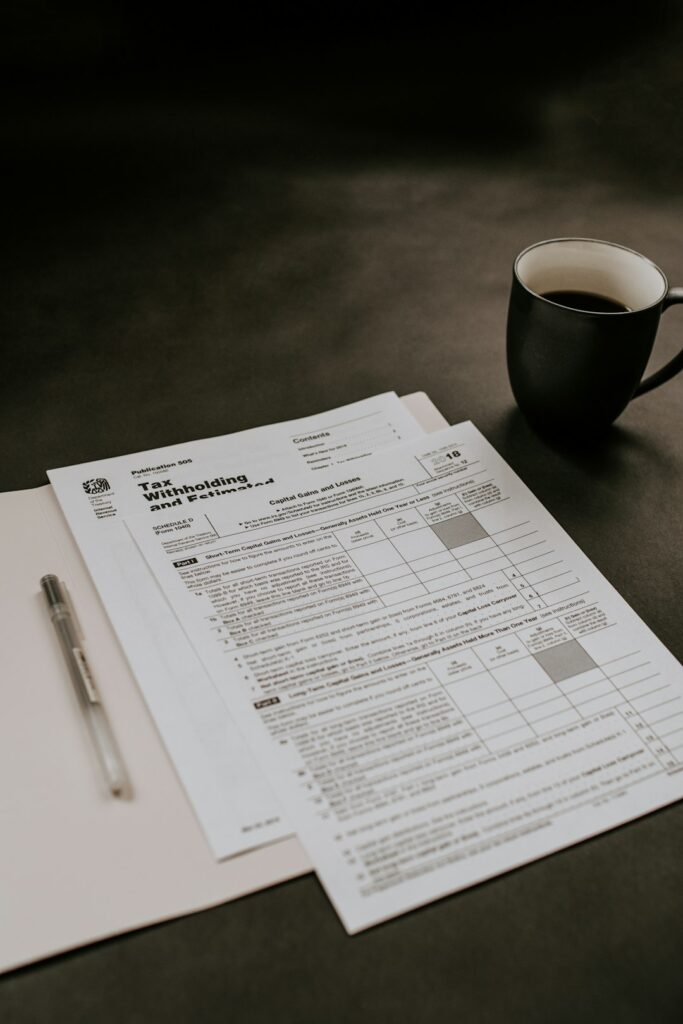
What should be gathered before starting a tax return?
The easiest way to organize tax documents is to collect information by category before entering numbers into a return. A complete file usually includes income records, deduction and credit documents, prior-year tax information, and records of major financial or household changes.
Start with a physical folder, secure digital folder, or both. Create one folder for the tax year and use subfolders such as:
- Income
- Banking and investments
- Home and property
- Children and dependents
- Medical and education expenses
- Business or side-work records
- Prior tax returns
- Questions and missing documents
The IRS recommends keeping the documents and forms needed to file in one place, including the adjusted gross income and refund amount from the prior year when applicable. ([irs.gov](https://www.irs.gov/filing/gather-your-documents?utm_source=openai))
For households in Tucker, this system can be especially helpful when documents arrive through several channels—employers, financial institutions, schools, mortgage accounts, insurance portals, and mailed statements. Saving each document as it arrives is usually easier than reconstructing everything shortly before filing.
Which income documents are commonly needed?
Income documents should be collected even if the amount seems small. Common examples include:
- Form W-2 for wages
- Form 1099-NEC or 1099-K for work, contract payments, or certain payment-platform activity
- Form 1099-INT for interest
- Form 1099-DIV for dividends
- Form 1099-B for investment sales
- Form 1099-R for retirement distributions
- Form SSA-1099 for Social Security benefits
- Form 1099-G for unemployment compensation or certain government payments
- Records of rental income and related expenses
- Business income records, invoices, and expense receipts
Do not rely only on a bank deposit total. A deposit may combine wages, reimbursements, transfers, gifts, or other amounts that are treated differently for tax purposes. Review the underlying statements and identify what each payment represents.
If a W-2 or 1099 appears to be missing, first check an employer or financial account portal. The IRS also provides wage and income transcripts showing information returns reported to the agency, although a transcript may not yet include every document issued to a taxpayer. ([irs.gov](https://www.irs.gov/individuals/transcript-types-for-individuals-and-ways-to-order-them?utm_source=openai))
How should deductions and credits be documented?
A deduction or credit generally requires more than a bank or credit-card statement. Keep the receipt, invoice, statement, or other record showing what was purchased, when it was purchased, and why it may qualify.
Useful categories include:
Home and property records
For a primary residence, gather mortgage-interest statements, property-tax records, and records related to a purchase, sale, or major improvement. Home-improvement receipts may be relevant to the property’s tax basis, particularly when the home is later sold.
Keep closing statements and records of significant improvements together rather than placing them in a general household folder. Ordinary repairs and maintenance should be separated from capital improvements because they may receive different tax treatment.
Child and dependent information
Parents and caregivers may need the legal names, Social Security numbers, dates of birth, and relationship information for dependents. Keep childcare provider names, addresses, tax identification numbers, and payment records if care expenses may qualify for a credit.
Shared custody arrangements require careful attention to which taxpayer claims a child and whether supporting documentation is available. A tax organizer should record the arrangement rather than relying on memory.
Medical, education, and charitable expenses
Keep medical payment summaries, tuition statements, student-loan interest statements, and charitable contribution records in separate folders. For noncash charitable donations, record the items given and retain any required acknowledgment.
Education documents may include Form 1098-T, scholarship information, and records of qualified payments. Student-loan statements can help identify potentially deductible interest, but the statement should be reviewed rather than treated as an automatic deduction.
What records should self-employed residents keep?
People with freelance, consulting, delivery, rental, or other side income should organize records by income source and expense category. A simple spreadsheet can include the date, description, amount, payment method, and business purpose for each transaction.
Common expense categories include:
- Advertising and professional fees
- Supplies and equipment
- Software and communications
- Business insurance
- Vehicle mileage or vehicle expenses
- Travel and meals, where applicable
- Rent or a qualifying home-office portion
- Payments to contractors

A bank statement can support the existence of a payment, but it may not explain its business purpose. Add a brief note while the transaction is fresh. For vehicle use, record the date, destination, business purpose, and mileage rather than trying to estimate the total at year-end.
Keep personal and business spending separate whenever possible. Separate accounts do not automatically make every transaction deductible, but they make the records easier to review and reduce confusion.
How long should tax documents be kept?
A practical baseline is to retain copies of filed returns and supporting records for at least three years after filing. The IRS notes that taxpayers should generally keep federal returns and related documents for at least three years, although longer periods can apply in certain situations. ([irs.gov](https://www.irs.gov/newsroom/taxpayers-can-request-a-copy-of-previous-tax-returns?utm_source=openai))
Keep property records for as long as they may affect the basis of a home or other asset, including after a sale when needed to support the calculation. Records connected with business activity, retirement accounts, carryforward deductions, amended returns, or unresolved tax questions may also need to be retained longer.
Digital records should be backed up in a secure location. Scans should be readable, complete, and named clearly—for example, `2025_W2_EmployerName.pdf` or `2025_MortgageInterest.pdf`. Avoid storing unencrypted tax files on shared public computers or sending Social Security numbers through ordinary email.
What if a prior return or form is missing?
A missing prior return does not always require starting over. The IRS offers tax return, tax account, record-of-account, wage-and-income, and verification-of-nonfiling transcripts through its online account, by mail, or through Form 4506-T. ([irs.gov](https://www.irs.gov/individuals/get-transcript?utm_source=openai))
A tax return transcript generally shows most line items from the original Form 1040-series return, while a tax account transcript can show later adjustments. A transcript is not always a complete photocopy of the filed return, so keep the original return whenever possible. ([irs.gov](https://www.irs.gov/individuals/transcript-types-for-individuals-and-ways-to-order-them?utm_source=openai))
For Georgia filings, retain the state return and related schedules with the federal records. The Georgia Department of Revenue also provides taxpayer account functions for refund status, payments, and certain account matters through the Georgia Tax Center. ([dor.georgia.gov](https://dor.georgia.gov/submitting-your-individual-income-tax-return?utm_source=openai))
How can the final review prevent common errors?
Before filing, compare the organized documents against the prior-year return. Look for changes in employment, marital status, dependents, housing, education, retirement contributions, investments, and side income.
Then check for:
- Missing W-2 or 1099 forms
- Duplicate income entries
- Incorrect Social Security numbers or birth dates
- Unexplained large deposits
- Investment sales without basis information
- Unsupported charitable or business deductions
- Unreadable scans
- Differences between federal and Georgia information
Do not throw away documents simply because they were not used. Mark them as reviewed and keep them with the year’s records. A clear “filed,” “not applicable,” or “needs follow-up” label can make next year’s preparation substantially easier.